Halal Buying and Selling: A Beginner's Guide to Islamic Finance
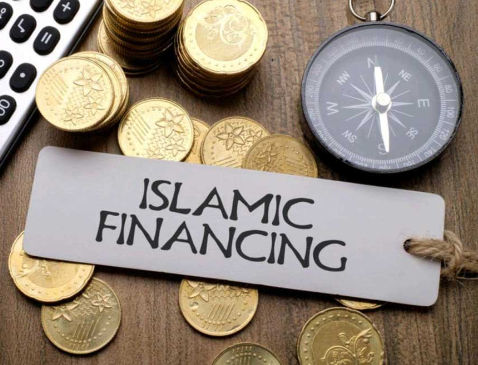
Every day, without even thinking about it, you make financial transactions. A coffee on the way to work, groceries on the app, a quick online order, money sent to family abroad. In Islam, none of these are "just transactions." Buying and selling is one of the oldest and most rewarding acts a believer can engage in, because Islam permits honest trade while firmly forbidding interest and exploitation. In 2026, when a purchase is one tap away and "buy now, pay later" is the default checkout button, knowing the Shariah basics of buying and selling isn't optional; it's how you keep your daily income clean and your wealth blessed.
Here are 7 beginner-friendly principles to make your everyday buying and selling Halal.
1. See trade as an act of worship
Before the profit, fix the intention. When you treat earning as an act of worship rather than a race to accumulate, you naturally trade with more honesty and less greed. The Prophet (PBUH) praised the truthful, trustworthy merchant, placing them in the highest company in the Hereafter. That single shift in mindset, from "how much can I make?" to "is this pleasing to Allah?", is the foundation everything else is built on.
2. Deal only in Halal goods
A sale is only as clean as the thing being sold. No matter how good the profit, a Muslim does not buy or sell what Islam prohibits, such as alcohol, pork, or anything whose primary use is Haram. This applies to the modern marketplace too: reselling items, running an online store, or promoting a product all carry the same rule. If the product itself is impermissible, the income from it is not blessed, however Halal the paperwork looks.
3. Be crystal clear and avoid gharar (uncertainty)
Gharar means excessive uncertainty or ambiguity in a deal, and Islam discourages it because it breeds disputes and injustice. In practice, this means both sides should know exactly what is being exchanged: the product, its condition, the price, and when it will be delivered. Selling something that may or may not exist, or agreeing to a vague "we'll settle the price later," falls into this trap. Clarity protects both the buyer and the seller.
4. Steer clear of Riba (interest)
This is where many everyday Muslims slip without realising. Riba (interest) is strictly forbidden, and it hides in ordinary places: credit-card interest, conventional loans, and many "buy now, pay later" plans that charge extra for late payment. A halal deal is settled at an agreed price, paid in cash or through a genuinely interest-free arrangement. Before you tap "pay later," check whether that convenience is quietly costing you interest.
5. Sell only what you own and can deliver
A classic rule of Islamic trade is that you should not sell what you do not yet possess. If you cannot actually hand over the item or guarantee its delivery, the sale stands on shaky ground. This is especially relevant today for resellers and dropshippers: taking payment for goods you neither own nor control can cross a line. The safe path is to own, or hold a valid right over, what you sell before the money changes hands.
6. Handle currency exchanges
Exchanging money, whether swapping currencies at the airport or sending remittances home, has its own rules in Islam. The key principles are simple: when trading the same currency, the amounts must be equal, and currency exchanges should be settled on the spot rather than deferred. For example, converting dollars to another currency at a money changer is allowed at the going market rate, but both sides must complete the exchange then and there. You cannot hand over your dollars today and collect the other currency next week. Getting this right matters more than ever in an age of digital wallets and instant transfers, where it is easy to treat money as just numbers on a screen. For example, sending money home through a digital service is fine as long as the rate is agreed and the transfer is processed promptly, not left open-ended.
7. Trade with complete honesty
The final principle ties all the others together: never deceive. That means disclosing defects instead of hiding them, describing products accurately, and refusing to inflate claims just to close a sale. The Prophet (PBUH) taught that whoever cheats is not truly of the believers. Honest trade may cost you a sale today, but it earns you barakah, trust, and a clear conscience for a lifetime.
Turn everyday deals into everyday reward
Getting these basics right transforms something as routine as grocery shopping or sending money abroad into a source of reward. But knowing the principles and confidently applying them to real, everyday situations are two different things, and that gap is exactly where most beginners get stuck.
Athan Academy's Islamic Finance: Beginner's Guide to Buy and Sell walks you through the Shariah rules of daily deals, currency exchange, and retail in plain, simple language, with no prior background needed. It is a beginner-friendly course you can take at your own pace, starting today! Click here to learn more.